
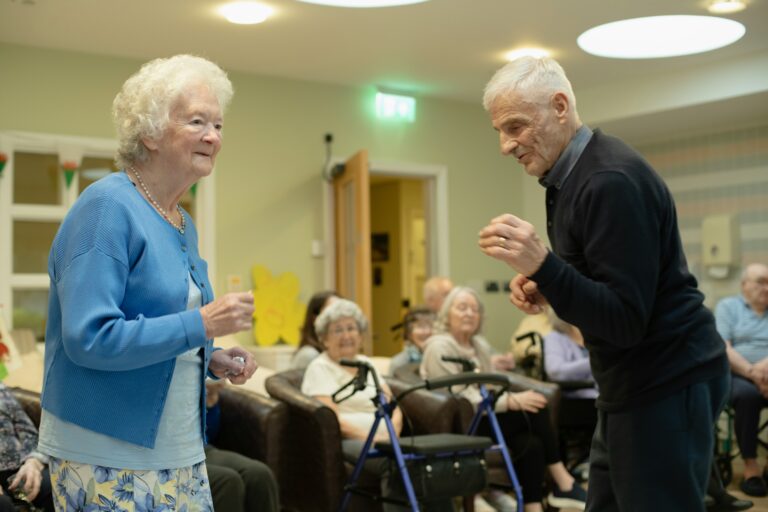
Growing older doesn't mean giving up the activities you enjoy. In fact, staying physically active is one of the most important things you can do to maintain your health, independence, and quality of life.
Whether it's taking a morning walk through the neighborhood, tending to your garden, swimming laps at the local pool, or playing with your grandchildren, regular movement can help you continue doing the things you love for years to come.
The good news? You don't have to run marathons or spend hours at the gym to experience the benefits. Every step—and every movement—counts.
Our bodies naturally change as we age. Muscle mass declines, balance may become less steady, and chronic health conditions become more common. While these changes are normal, regular physical activity can help slow many of them.
Research consistently shows that older adults who stay active enjoy numerous health benefits, including:
Perhaps most importantly, regular movement helps older adults maintain their independence—the ability to safely live at home, care for themselves, and continue participating in the activities that bring them joy.
One of the biggest misconceptions about exercise is that it has to be intense to make a difference.
In reality, small amounts of activity throughout the day add up.
A short walk after dinner, climbing the stairs instead of taking the elevator, working in the yard, dancing while preparing dinner, or parking farther from the entrance to the grocery store all contribute to a more active lifestyle.
If you've been inactive for a while, don't be discouraged. Start where you are. Even a few extra minutes of movement each day can lead to meaningful improvements over time.
A well-rounded fitness routine includes several different types of movement.
Activities like walking, swimming, cycling, or water aerobics help strengthen your heart and lungs while improving endurance.
The U.S. Department of Health and Human Services recommends that older adults aim for at least 150 minutes of moderate-intensity aerobic activity each week—or 75 minutes of vigorous activity if appropriate. That may sound like a lot, but it can be broken into manageable sessions throughout the week.
Strong muscles help make everyday tasks easier, from carrying groceries to getting out of a chair.
Strength-building activities at least twice each week can include:
Maintaining muscle strength also helps support healthy bones and reduces the risk of falls.
Falls remain one of the leading causes of injury among older adults, making balance exercises especially important.
Simple activities such as standing on one foot while holding onto a sturdy chair, practicing heel-to-toe walking, or participating in tai chi can improve stability and confidence.
Stretching helps maintain mobility, making it easier to reach overhead, bend down, and move comfortably throughout the day.
Gentle stretching, yoga, or range-of-motion exercises can improve flexibility while reducing stiffness.
Many people believe that if they haven't exercised regularly throughout their lives, there's little point in starting later.
Fortunately, that's simply not true.
Research shows that becoming more active at any age can improve strength, mobility, cardiovascular health, and overall well-being. Whether you're 60, 75, or 90, your body can benefit from regular movement.
The key is choosing activities you enjoy and progressing at a pace that's appropriate for your health and fitness level. If you have chronic medical conditions or concerns about beginning an exercise program, talk with your healthcare provider before getting started.
At our firm, we often talk with clients about planning for the future. Estate planning is one important part of protecting yourself and your loved ones.
But planning for the future isn't only about legal documents. It's also about taking steps today that help you maintain your independence tomorrow.
Regular physical activity can help you remain stronger, healthier, and more confident as you age. It supports your ability to continue living in your own home, enjoying your hobbies, traveling, volunteering, and spending meaningful time with family and friends.
In many ways, taking care of your health is another way of taking care of the people you love.
You don't have to transform your lifestyle overnight. Take a walk around the neighborhood. Join a water aerobics class. Stretch while watching television. Play outside with your grandchildren. Invite a friend to walk with you after breakfast.
Every bit of movement matters.
As you make plans for your future, remember that protecting your health and protecting your legacy go hand in hand. Staying active today can help you enjoy more of life's moments tomorrow—and that's a goal worth working toward.
