
You've probably heard it before: "You should exercise more."
While it's good advice, it can also feel overwhelming. Images of crowded gyms, strenuous workouts, or complicated fitness routines are enough to discourage many people before they even begin.
The truth is, staying active doesn't have to mean spending hours at the gym or training for a race. In fact, some of the best forms of exercise are simply part of everyday life.
Small, consistent movements throughout the day can improve your strength, balance, energy, and overall health—helping you maintain your independence and continue doing the things you enjoy.
If you're looking for easy ways to become more active, here are seven simple ideas to get you moving.
Walking is one of the easiest and most effective forms of exercise. A short walk after breakfast, lunch, or dinner can help improve circulation, support healthy digestion, and boost your energy. It also gives you an opportunity to enjoy fresh air and spend time with family, neighbors, or a four-legged companion.
Even a 10- or 15-minute walk can make a difference.
Physical activity doesn't have to happen in a fitness center. Many household tasks naturally involve movement, including:
Instead of viewing these tasks as chores, think of them as opportunities to stay active while accomplishing something productive.
Good balance is essential for maintaining independence and reducing the risk of falls. Fortunately, improving your balance doesn't require special equipment.
Try standing on one foot while holding onto the kitchen counter, practicing heel-to-toe walking down a hallway, or simply standing up from a chair without using your hands when it's safe to do so. These small exercises help strengthen the muscles that keep you steady.
Muscle strength naturally declines with age, but simple resistance exercises can help maintain it. You don't need expensive equipment.
Resistance bands, light hand weights, or even your own body weight can provide an effective workout. Chair squats, wall push-ups, and gentle arm exercises are all excellent places to start. Aim to include strength-building activities at least two days each week.
Exercise is much easier to stick with when it doesn't feel like a chore. Consider activities such as:
The "best" exercise is the one you'll continue doing. If you enjoy it, you're much more likely to make it part of your routine.
Many of us spend more time sitting than we realize. Whether you're watching television, reading, or working on the computer, try standing up every 30 to 60 minutes. Stretch, walk around the room, refill your water glass, or march in place for a minute or two.
These small movement breaks can help reduce stiffness and keep your body feeling more energized throughout the day.
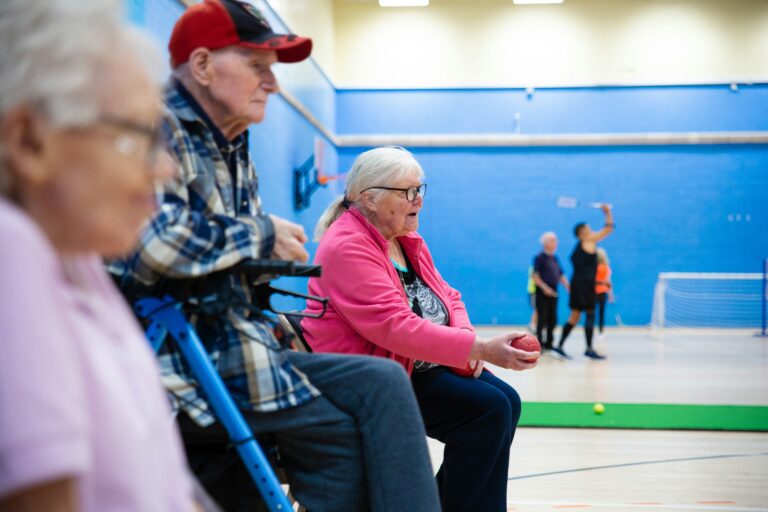
Everything is more enjoyable with good company. Invite a friend to take a morning walk. Join a local exercise class. Walk with your spouse after dinner. Volunteer for activities that keep you on your feet.
Not only will you benefit from the physical activity, but the social connection can also improve your emotional well-being and make it easier to stay motivated.
One of the biggest mistakes people make is believing they need to do everything perfectly from the very beginning.
You don't. If you're currently inactive, start with five or ten minutes of movement each day. As your strength and endurance improve, gradually increase your activity level. Every step forward is progress.
Before beginning a new exercise routine, especially if you have chronic health conditions or concerns, talk with your healthcare provider about what activities are appropriate for you.
At our firm, we often remind clients that planning for the future isn't just about signing legal documents. It's also about taking care of yourself today.
Regular movement helps protect something that's difficult to replace: your independence. It allows you to continue enjoying time with your family, traveling, volunteering, pursuing hobbies, and living life on your own terms.
Estate planning prepares your loved ones for the unexpected. Healthy habits help you enjoy more active years before those plans are ever needed. Whether you start with a short walk around the block or a new fitness class at your local community center, remember that every bit of movement counts.
Your future self—and your family—will thank you for it.
Be sure to read our companion article, Move More, Live Better: Why Physical Activity Is Essential as We Age, where we explore the many physical, mental, and emotional benefits of staying active as you grow older.
