
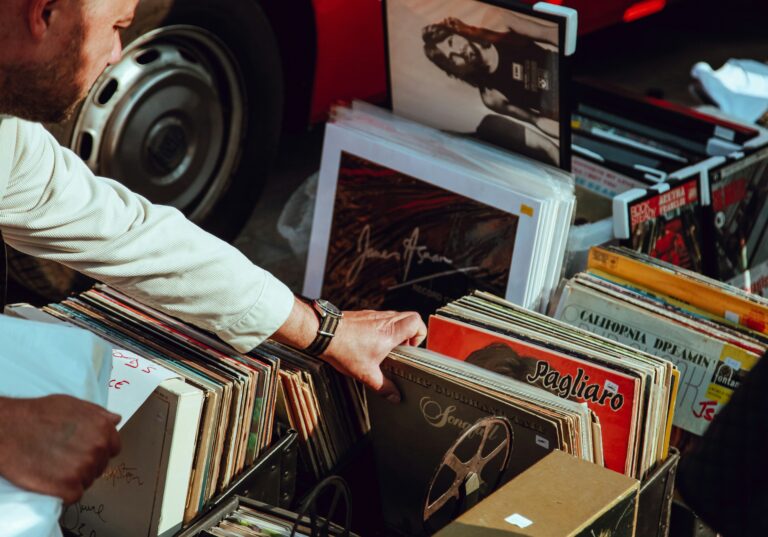
We all collect things. Some of us have shelves full of books we love, boxes of family photos, vintage records, sports memorabilia, or Grandma’s china tucked away in storage. These things hold memories, identity, and value—sometimes sentimental, sometimes financial, sometimes both.
But here’s the question no one wants to ask:
What happens to all of this stuff when you’re gone?
Your children might not want your stamp collection. Your niece might not have room for your antique furniture. And your beloved vinyl albums? They could end up in a thrift store if you haven’t made it clear what you want done with them.
Estate planning isn’t just about money, homes, or titles. It’s also about the stuff that tells the story of your life.
When people don’t make plans for their personal belongings, family members are left to sort through it—sometimes while grieving, often while disagreeing. These "small items" can spark major conflict.
Without instructions, families often guess—or argue.
Here’s how you can start:
Estate planning isn’t just about what you leave behind, but how you leave it. Taking the time to plan for your personal belongings—your stuff—can save your loved ones stress, arguments, and uncertainty.
