
When someone passes away, their home instantly becomes more than just a piece of property—it becomes one of the most important assets in their estate. For the personal representative (also known as the executor), securing that home is a crucial first step in protecting the estate’s value and fulfilling their legal duties.
In many cases, the deceased’s will contains specific language granting the personal representative the authority to take possession, secure, and manage the property. Without prompt action, the home and everything inside it can be at risk.
Under Florida law (and in many other states), a will often includes language such as:
“My Personal Representative shall have full power and authority to take possession of, secure, maintain, and manage any real property belonging to my estate, including my primary residence, until such time as it is distributed or sold.”
This provision gives the personal representative clear authority to:
Without this express authority in the will, the personal representative’s ability to act may be limited until the court formally grants them powers through letters of administration.
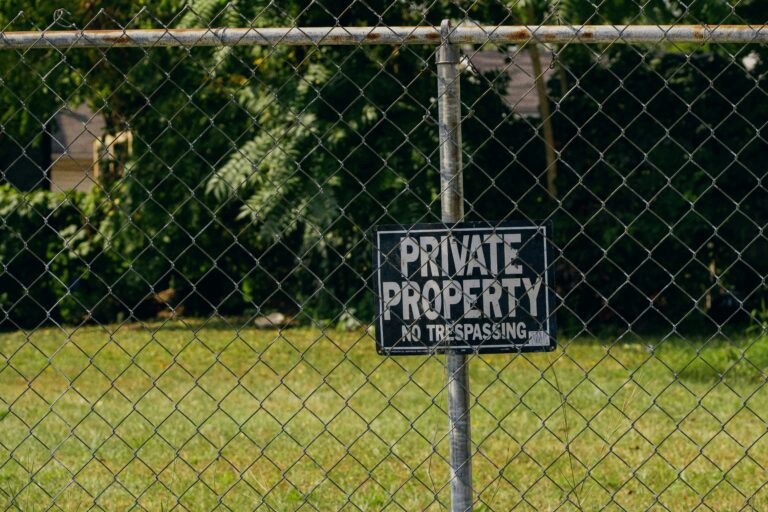
Unfortunately, vacant homes can attract unwanted attention—whether from strangers, distant relatives, or even acquaintances who think they have a claim to the property. Changing locks, setting alarms, and limiting access helps protect both the home and its contents.
Unoccupied homes deteriorate faster. Without regular upkeep, issues like water leaks, pest infestations, or mold can cause significant (and expensive) damage. The personal representative is responsible for preserving the property’s value for the estate’s beneficiaries.
Many homeowners’ insurance policies have clauses that limit coverage for vacant homes. Taking swift action to inform the insurance company and maintain adequate coverage is critical to avoiding costly losses.
The home often contains personal property—furniture, jewelry, family heirlooms, and important documents—that must be inventoried for probate. Securing the premises ensures that these items can be cataloged without risk of disappearance or damage.
Securing the home is one of the first and most important responsibilities of a personal representative. With clear authority from the will—and prompt action—you protect the estate’s assets, fulfill your legal duty, and help ensure a smoother probate process for everyone involved.
Ready to make a plan? Book a call today.
